Buy reisekostenabrechnung.eu ?
We are moving the project
reisekostenabrechnung.eu .
Are you interested in purchasing the domain
reisekostenabrechnung.eu ?
domain@kv-gmbh.de · 0541-91531010
Buy reisekostenabrechnung.eu ?
How do you transform an object clause or a subject clause into a dependent clause (subordinate clause)?
To transform an object clause or a subject clause into a dependent clause, you can add a subordinating conjunction at the beginning of the clause. For example, changing "I know that he is coming" (object clause) to "I know when he is coming" (dependent clause). Another way is to remove the subject or object pronoun and change the verb form to make it dependent on the main clause. For instance, changing "She believes she can win" (subject clause) to "She believes she can win" (dependent clause). **
Is an infinitive clause a subordinate clause?
Yes, an infinitive clause is a type of subordinate clause. It functions as a single unit within a sentence and is dependent on the main clause for its meaning. Infinitive clauses typically begin with the word "to" followed by a verb, and they can serve various purposes such as expressing purpose, result, or obligation. **

Similar search terms for Clause
Top-Angebote
Products related to Clause:
-
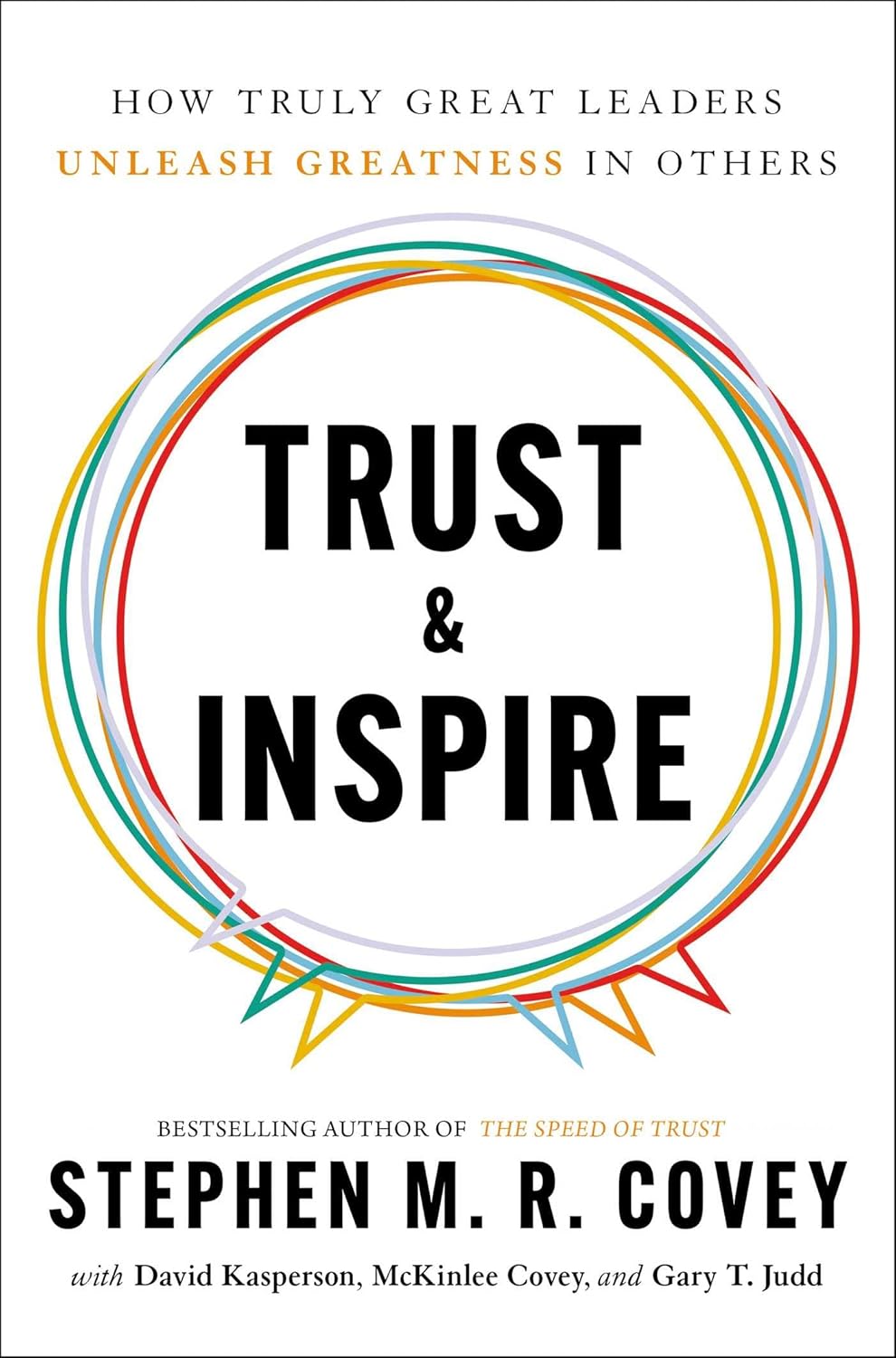
Simon & Schuster UK Trust & Inspire by Stephen M. R. Covey - Paperback - Leadership & Business Management BookTrust and Inspire by Stephen M. R. Covey is a compelling leadership book that challenges the outdated 'command and control' management style. Covey argues that leaders must evolve towards a 'trust and inspire' approach, built on mutual commitment, creativity, and collaboration. This paperback offers a practical, research-backed roadmap to transforming workplace culture and unlocking human potential. In the book, Covey draws on decades of research into trust within organisations to expose the shortcomings of traditional leadership models. He proposes a 'trust and inspire' style, which is more suitable for a world that has fundamentally changed. This book is ideal for managers, entrepreneurs, and anyone leading a team, as it provides a clear and actionable guide to improving leadership skills and building trust within an organisation. Published by Simon & Schuster UK, this book is a valuable resource for anyone looking to develop their leadership skills and improve their team's performance.8,99 £*Shipping: 2,99 £Secure redirect to the provider
-
Market Central Outdoor Sports Waterproof Digital Watch With Alarm Time Reporting For Swimming Fitness redA reliable companion for every active moment, this outdoor sports watch keeps you prepared, organized, and on time wherever your day takes you. Designed for swimmers, athletes, and outdoor enthusiasts, this digital sports watch combines clear time...44,97 $*Shipping: 0,00 $Secure redirect to the provider
-
Market Central Outdoor Sports Waterproof Digital Watch With Alarm Time Reporting For Swimming Fitness blackA reliable companion for every active moment, this outdoor sports watch keeps you prepared, organized, and on time wherever your day takes you. Designed for swimmers, athletes, and outdoor enthusiasts, this digital sports watch combines clear time...44,97 $*Shipping: 0,00 $Secure redirect to the provider
-
Market Central Outdoor Sports Waterproof Digital Watch With Alarm Time Reporting For Swimming Fitness orangeA reliable companion for every active moment, this outdoor sports watch keeps you prepared, organized, and on time wherever your day takes you. Designed for swimmers, athletes, and outdoor enthusiasts, this digital sports watch combines clear time...44,97 $*Shipping: 0,00 $Secure redirect to the provider


-
What are main clause-subordinate clause constructions?
Main clause-subordinate clause constructions are sentences that consist of a main clause and one or more subordinate clauses. The main clause is a complete sentence that can stand alone, while the subordinate clause depends on the main clause for its meaning and cannot stand alone. Subordinate clauses often begin with subordinating conjunctions such as "because," "although," "if," or "when," and they provide additional information or context to the main clause. These constructions allow for more complex and nuanced sentence structures, and they are commonly used in both spoken and written language. **
-
Can an adverbial clause also be a subject clause or an object clause?
No, an adverbial clause cannot be a subject clause or an object clause. An adverbial clause functions as an adverb to modify a verb, adjective, or adverb in a sentence. Subject clauses and object clauses, on the other hand, serve as the subject or object of the main clause, respectively. Each type of clause has a specific grammatical function within a sentence. **
-
Is the main clause and subordinate clause correct?
To determine if the main clause and subordinate clause are correct, you need to ensure that they are grammatically sound and that they make sense when combined. The main clause should be able to stand alone as a complete sentence, while the subordinate clause provides additional information but cannot stand alone. Checking for subject-verb agreement and proper punctuation between the two clauses can help confirm their correctness. **
-
How do I recognize a relative clause, a conjunctional clause, and an interrogative clause?
A relative clause typically starts with a relative pronoun (such as who, whom, whose, which, or that) and provides more information about a noun in the main clause. A conjunctional clause, on the other hand, is introduced by a conjunction (such as and, but, or because) and connects two independent clauses. An interrogative clause is a type of clause that asks a question and is typically introduced by an interrogative pronoun (such as who, what, when, where, why, or how) or an interrogative adverb (such as how, when, or where). **


How can I recognize a relative clause, a conjunctional clause, and an interrogative clause?
A relative clause is a type of dependent clause that typically starts with a relative pronoun (such as who, whom, whose, which, or that) and provides additional information about a noun in the main clause. A conjunctional clause, on the other hand, is a dependent clause that functions as an adverb, adjective, or noun in a sentence and is connected to the main clause by a conjunction (such as because, although, if, when, etc.). An interrogative clause is a type of clause that asks a question and typically begins with a question word (such as who, what, where, when, why, or how) or with a helping verb followed by the subject. **
Is the accompanying clause in direct speech a main clause or a subordinate clause?
The accompanying clause in direct speech can be either a main clause or a subordinate clause, depending on its role in the sentence. If the clause is expressing a complete thought and can stand alone as a sentence, then it is a main clause. However, if the clause is dependent on the rest of the sentence for its meaning and cannot stand alone, then it is a subordinate clause. It's important to consider the context and structure of the sentence to determine the role of the accompanying clause in direct speech. **
Top-Angebote
Products related to Clause:
-
Harvard Business Review Press Harvard Business Review HBR’s 10 Must Reads 5 Book Collection Set – Essential Business, Leadership & Management GuidesHBR's 10 Must Reads 5 Books Collection Set Description On Emotional Intelligence If you read nothing else on emotional intelligence; read these 10 articles by experts in the field. We euro; ve combed through hundreds of articles in the Harvard Business Review archive and selected the most important ones to help you boost your emotional skills euro; and your professional success. Mental Toughness If you read nothing else on mental toughness; read these ten articles by experts in the field. We've combed through hundreds of articles in the Harvard Business Review archive and selected the most important ones to help you build your emotional strength and resilience--and to achieve high performance. The Essentials Change is the one constant in business; and we must adapt or face obsolescence. Yet certain challenges never go away. That's what makes this book 'must read.' These are the 10 seminal articles by management's most influential experts; on topics of perennial concern to ambitious managers and leaders hungry for inspiration--and ready to run with big ideas to accelerate their own and their companies' success. Change Management If you read nothing else on change management; read these 10 articles (featuring 'Leading Change; euro; by John P. Kotter). We've combed through hundreds of Harvard Business Review articles and selected the most important ones to help you spearhead change in your organization. Strategy If you read nothing else on strategy; read these 10 articles (featuring 'What Is Strategy? euro; by Michael E. Porter). We've combed through hundreds of Harvard Business Review articles and selected the most important ones to help you catalyze your organization's strategy development and execution.37,98 £*Shipping: 0,00 £Secure redirect to the provider
-
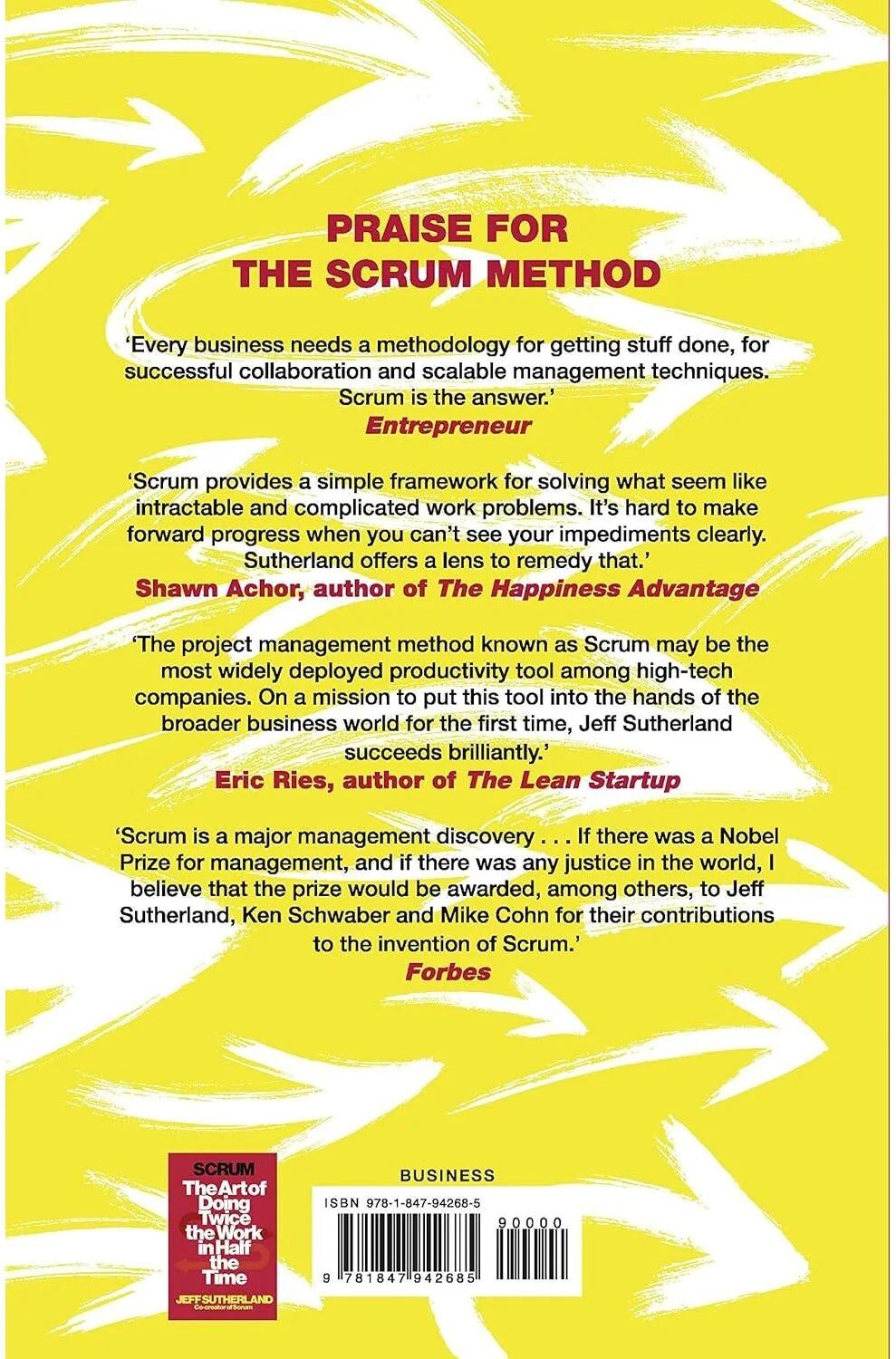
Random House Business The Scrum Fieldbook by J.J. Sutherland - Business & Management Hardback - Faster Performance, Better Results for Teams and LeadersThe Scrum Fieldbook by J.J. Sutherland is a practical guide to implementing the Scrum framework in real-world applications. Written for leaders, managers, and teams across various industries, this hardback guide builds on the success of Scrum: The Art of Doing Twice the Work in Half the Time, co-written with Jeff Sutherland. Drawing on years of experience with companies like Toyota, 3M, Schlumberger, and Bosch, Sutherland delivers a hands-on blueprint for cutting bureaucracy and accelerating delivery. The book focuses on execution, providing a step-by-step approach to transforming manufacturing, banking, government, and non-profit work.7,99 £*Shipping: 2,99 £Secure redirect to the provider
-
Simon & Schuster UK Trust & Inspire by Stephen M. R. Covey - Paperback - Leadership & Business Management BookTrust and Inspire by Stephen M. R. Covey is a compelling leadership book that challenges the outdated 'command and control' management style. Covey argues that leaders must evolve towards a 'trust and inspire' approach, built on mutual commitment, creativity, and collaboration. This paperback offers a practical, research-backed roadmap to transforming workplace culture and unlocking human potential. In the book, Covey draws on decades of research into trust within organisations to expose the shortcomings of traditional leadership models. He proposes a 'trust and inspire' style, which is more suitable for a world that has fundamentally changed. This book is ideal for managers, entrepreneurs, and anyone leading a team, as it provides a clear and actionable guide to improving leadership skills and building trust within an organisation. Published by Simon & Schuster UK, this book is a valuable resource for anyone looking to develop their leadership skills and improve their team's performance.8,99 £*Shipping: 2,99 £Secure redirect to the provider
-
Market Central Outdoor Sports Waterproof Digital Watch With Alarm Time Reporting For Swimming Fitness redA reliable companion for every active moment, this outdoor sports watch keeps you prepared, organized, and on time wherever your day takes you. Designed for swimmers, athletes, and outdoor enthusiasts, this digital sports watch combines clear time...44,97 $*Shipping: 0,00 $Secure redirect to the provider
-
How do you transform an object clause or a subject clause into a dependent clause (subordinate clause)?
To transform an object clause or a subject clause into a dependent clause, you can add a subordinating conjunction at the beginning of the clause. For example, changing "I know that he is coming" (object clause) to "I know when he is coming" (dependent clause). Another way is to remove the subject or object pronoun and change the verb form to make it dependent on the main clause. For instance, changing "She believes she can win" (subject clause) to "She believes she can win" (dependent clause). **
-
Is an infinitive clause a subordinate clause?
Yes, an infinitive clause is a type of subordinate clause. It functions as a single unit within a sentence and is dependent on the main clause for its meaning. Infinitive clauses typically begin with the word "to" followed by a verb, and they can serve various purposes such as expressing purpose, result, or obligation. **
-
What are main clause-subordinate clause constructions?
Main clause-subordinate clause constructions are sentences that consist of a main clause and one or more subordinate clauses. The main clause is a complete sentence that can stand alone, while the subordinate clause depends on the main clause for its meaning and cannot stand alone. Subordinate clauses often begin with subordinating conjunctions such as "because," "although," "if," or "when," and they provide additional information or context to the main clause. These constructions allow for more complex and nuanced sentence structures, and they are commonly used in both spoken and written language. **
-
Can an adverbial clause also be a subject clause or an object clause?
No, an adverbial clause cannot be a subject clause or an object clause. An adverbial clause functions as an adverb to modify a verb, adjective, or adverb in a sentence. Subject clauses and object clauses, on the other hand, serve as the subject or object of the main clause, respectively. Each type of clause has a specific grammatical function within a sentence. **
Similar search terms for Clause
-
Market Central Outdoor Sports Waterproof Digital Watch With Alarm Time Reporting For Swimming Fitness blackA reliable companion for every active moment, this outdoor sports watch keeps you prepared, organized, and on time wherever your day takes you. Designed for swimmers, athletes, and outdoor enthusiasts, this digital sports watch combines clear time...44,97 $*Shipping: 0,00 $Secure redirect to the provider
-
Market Central Outdoor Sports Waterproof Digital Watch With Alarm Time Reporting For Swimming Fitness orangeA reliable companion for every active moment, this outdoor sports watch keeps you prepared, organized, and on time wherever your day takes you. Designed for swimmers, athletes, and outdoor enthusiasts, this digital sports watch combines clear time...44,97 $*Shipping: 0,00 $Secure redirect to the provider
-
Market Central Outdoor Sports Waterproof Digital Watch With Alarm Time Reporting For Swimming Fitness grass GreenA reliable companion for every active moment, this outdoor sports watch keeps you prepared, organized, and on time wherever your day takes you. Designed for swimmers, athletes, and outdoor enthusiasts, this digital sports watch combines clear time...44,97 $*Shipping: 0,00 $Secure redirect to the provider
-
Market Central Outdoor Sports Waterproof Digital Watch With Alarm Time Reporting For Swimming Fitness light GreenA reliable companion for every active moment, this outdoor sports watch keeps you prepared, organized, and on time wherever your day takes you. Designed for swimmers, athletes, and outdoor enthusiasts, this digital sports watch combines clear time...44,97 $*Shipping: 0,00 $Secure redirect to the provider
-
Is the main clause and subordinate clause correct?
To determine if the main clause and subordinate clause are correct, you need to ensure that they are grammatically sound and that they make sense when combined. The main clause should be able to stand alone as a complete sentence, while the subordinate clause provides additional information but cannot stand alone. Checking for subject-verb agreement and proper punctuation between the two clauses can help confirm their correctness. **
-
How do I recognize a relative clause, a conjunctional clause, and an interrogative clause?
A relative clause typically starts with a relative pronoun (such as who, whom, whose, which, or that) and provides more information about a noun in the main clause. A conjunctional clause, on the other hand, is introduced by a conjunction (such as and, but, or because) and connects two independent clauses. An interrogative clause is a type of clause that asks a question and is typically introduced by an interrogative pronoun (such as who, what, when, where, why, or how) or an interrogative adverb (such as how, when, or where). **
-
How can I recognize a relative clause, a conjunctional clause, and an interrogative clause?
A relative clause is a type of dependent clause that typically starts with a relative pronoun (such as who, whom, whose, which, or that) and provides additional information about a noun in the main clause. A conjunctional clause, on the other hand, is a dependent clause that functions as an adverb, adjective, or noun in a sentence and is connected to the main clause by a conjunction (such as because, although, if, when, etc.). An interrogative clause is a type of clause that asks a question and typically begins with a question word (such as who, what, where, when, why, or how) or with a helping verb followed by the subject. **
-
Is the accompanying clause in direct speech a main clause or a subordinate clause?
The accompanying clause in direct speech can be either a main clause or a subordinate clause, depending on its role in the sentence. If the clause is expressing a complete thought and can stand alone as a sentence, then it is a main clause. However, if the clause is dependent on the rest of the sentence for its meaning and cannot stand alone, then it is a subordinate clause. It's important to consider the context and structure of the sentence to determine the role of the accompanying clause in direct speech. **
* All prices are inclusive of VAT and, if applicable, plus shipping costs. The offer information is based on the details provided by the respective shop and is updated through automated processes. Real-time updates do not occur, so deviations can occur in individual cases. ** Note: Parts of this content were created by AI.