Buy reisekostenabrechnung.eu ?
We are moving the project
reisekostenabrechnung.eu .
Are you interested in purchasing the domain
reisekostenabrechnung.eu ?
domain@kv-gmbh.de · 0541-91531010
Buy reisekostenabrechnung.eu ?
Lower classifications of crustaceans
Lower classifications of crustaceans include groups such as Malacostraca, Branchiopoda, Maxillopoda, and Remipedia. These groups are further divided into various orders, families, and species. Each lower classification has unique characteristics and adaptations that help them thrive in different aquatic environments. Studying these lower classifications helps scientists understand the diversity and evolution of crustaceans. **
How can one breed prehistoric crustaceans?
Breeding prehistoric crustaceans would require a deep understanding of their natural habitat, behavior, and dietary needs. It would also involve creating an environment that closely mimics the conditions of the prehistoric era, including water temperature, salinity, and oxygen levels. Additionally, it would be important to source the specific species of prehistoric crustaceans and ensure that they are not endangered or protected. Finally, careful monitoring and maintenance of the breeding environment would be necessary to ensure the health and reproduction of the crustaceans. **

Similar search terms for Crustaceans
Top-Angebote
Products related to Crustaceans:
-
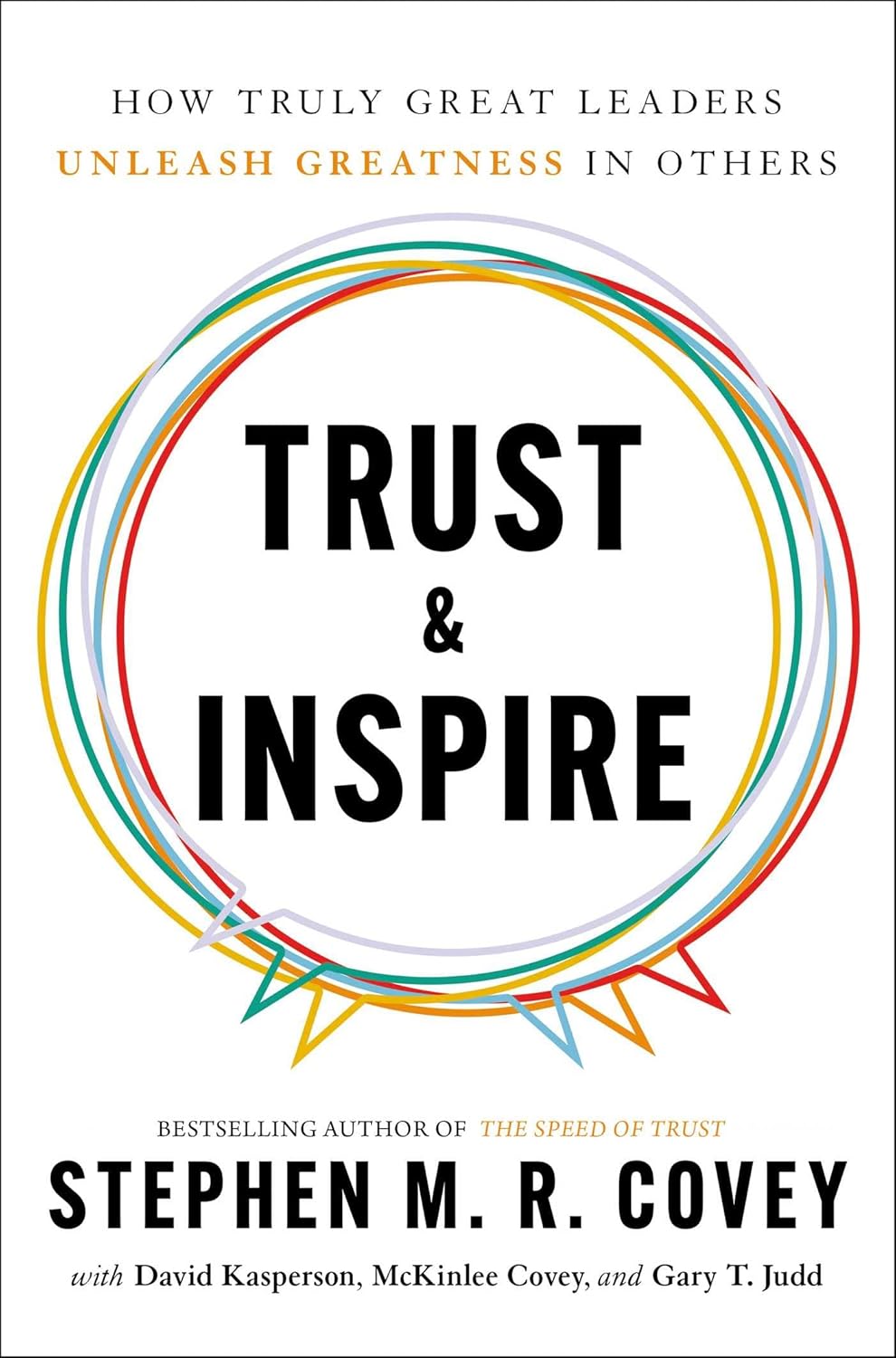
Simon & Schuster UK Trust & Inspire by Stephen M. R. Covey - Paperback - Leadership & Business Management BookTrust and Inspire by Stephen M. R. Covey is a compelling leadership book that challenges the outdated 'command and control' management style. Covey argues that leaders must evolve towards a 'trust and inspire' approach, built on mutual commitment, creativity, and collaboration. This paperback offers a practical, research-backed roadmap to transforming workplace culture and unlocking human potential. In the book, Covey draws on decades of research into trust within organisations to expose the shortcomings of traditional leadership models. He proposes a 'trust and inspire' style, which is more suitable for a world that has fundamentally changed. This book is ideal for managers, entrepreneurs, and anyone leading a team, as it provides a clear and actionable guide to improving leadership skills and building trust within an organisation. Published by Simon & Schuster UK, this book is a valuable resource for anyone looking to develop their leadership skills and improve their team's performance.8,99 £*Shipping: 2,99 £Secure redirect to the provider
-
Market Central Outdoor Sports Waterproof Digital Watch With Alarm Time Reporting For Swimming Fitness redA reliable companion for every active moment, this outdoor sports watch keeps you prepared, organized, and on time wherever your day takes you. Designed for swimmers, athletes, and outdoor enthusiasts, this digital sports watch combines clear time...44,97 $*Shipping: 0,00 $Secure redirect to the provider
-
Market Central Outdoor Sports Waterproof Digital Watch With Alarm Time Reporting For Swimming Fitness blackA reliable companion for every active moment, this outdoor sports watch keeps you prepared, organized, and on time wherever your day takes you. Designed for swimmers, athletes, and outdoor enthusiasts, this digital sports watch combines clear time...44,97 $*Shipping: 0,00 $Secure redirect to the provider
-
Market Central Outdoor Sports Waterproof Digital Watch With Alarm Time Reporting For Swimming Fitness orangeA reliable companion for every active moment, this outdoor sports watch keeps you prepared, organized, and on time wherever your day takes you. Designed for swimmers, athletes, and outdoor enthusiasts, this digital sports watch combines clear time...44,97 $*Shipping: 0,00 $Secure redirect to the provider


-
How long do prehistoric crustaceans live?
The lifespan of prehistoric crustaceans varied depending on the species. Some prehistoric crustaceans, such as the horseshoe crab, are known to have existed for hundreds of millions of years, making them one of the oldest living species on Earth. Other prehistoric crustaceans may have had shorter lifespans, but due to the limited fossil record, it is difficult to determine the exact lifespan of all prehistoric crustaceans. Overall, prehistoric crustaceans were able to survive and thrive for millions of years, adapting to changing environmental conditions and evolving alongside other ancient species. **
-
What are prehistoric crustaceans as a gift?
Prehistoric crustaceans as a gift could refer to fossils or replicas of ancient crustaceans that lived millions of years ago. These could include creatures such as trilobites, ancient shrimp, or other early crustaceans that are now extinct. These gifts could be of interest to paleontologists, collectors, or anyone fascinated by prehistoric life. They provide a unique and educational gift option for those interested in natural history and the evolution of life on Earth. **
-
How do I properly breed prehistoric crustaceans?
To properly breed prehistoric crustaceans, you will need to create an environment that closely mimics their natural habitat. This includes providing a suitable tank with the right water conditions, temperature, and pH levels. You will also need to ensure that the crustaceans have access to the right food sources and hiding places. It's important to research the specific species of prehistoric crustaceans you are breeding to understand their unique needs and behaviors. Additionally, monitoring water quality and maintaining a clean environment is crucial for the health and successful breeding of prehistoric crustaceans. **
-
What are the differences between crustaceans and spiders?
Crustaceans and spiders belong to different classes within the phylum Arthropoda. Crustaceans, such as crabs and shrimp, have a distinct body structure with two pairs of antennae and two body segments: the cephalothorax and abdomen. They also have gills for breathing and typically live in aquatic environments. Spiders, on the other hand, have a two-part body consisting of the cephalothorax and abdomen, with four pairs of legs and no antennae. They also have spinnerets for producing silk and are predominantly terrestrial. Additionally, spiders are arachnids, while crustaceans are not. **


Why don't prehistoric crustaceans hatch in my case?
Prehistoric crustaceans do not hatch in your case because they require specific environmental conditions to hatch and develop. These conditions may include a certain temperature, water quality, and oxygen levels, which may not be present in your case. Additionally, prehistoric crustaceans may require specific nutrients and food sources that are not available in your case. Finally, prehistoric crustaceans may not be present in your case in the first place, as they are typically found in natural aquatic environments. **
What concerns are there when raising prehistoric crustaceans?
When raising prehistoric crustaceans, some concerns may include ensuring they have the proper environment and conditions to thrive, such as appropriate water quality and temperature. Another concern is providing them with a suitable diet that mimics their natural food sources. Additionally, it is important to monitor their growth and behavior closely to address any health issues or aggression that may arise in a communal setting. **
Top-Angebote
Products related to Crustaceans:
-
Harvard Business Review Press Harvard Business Review HBR’s 10 Must Reads 5 Book Collection Set – Essential Business, Leadership & Management GuidesHBR's 10 Must Reads 5 Books Collection Set Description On Emotional Intelligence If you read nothing else on emotional intelligence; read these 10 articles by experts in the field. We euro; ve combed through hundreds of articles in the Harvard Business Review archive and selected the most important ones to help you boost your emotional skills euro; and your professional success. Mental Toughness If you read nothing else on mental toughness; read these ten articles by experts in the field. We've combed through hundreds of articles in the Harvard Business Review archive and selected the most important ones to help you build your emotional strength and resilience--and to achieve high performance. The Essentials Change is the one constant in business; and we must adapt or face obsolescence. Yet certain challenges never go away. That's what makes this book 'must read.' These are the 10 seminal articles by management's most influential experts; on topics of perennial concern to ambitious managers and leaders hungry for inspiration--and ready to run with big ideas to accelerate their own and their companies' success. Change Management If you read nothing else on change management; read these 10 articles (featuring 'Leading Change; euro; by John P. Kotter). We've combed through hundreds of Harvard Business Review articles and selected the most important ones to help you spearhead change in your organization. Strategy If you read nothing else on strategy; read these 10 articles (featuring 'What Is Strategy? euro; by Michael E. Porter). We've combed through hundreds of Harvard Business Review articles and selected the most important ones to help you catalyze your organization's strategy development and execution.37,98 £*Shipping: 0,00 £Secure redirect to the provider
-
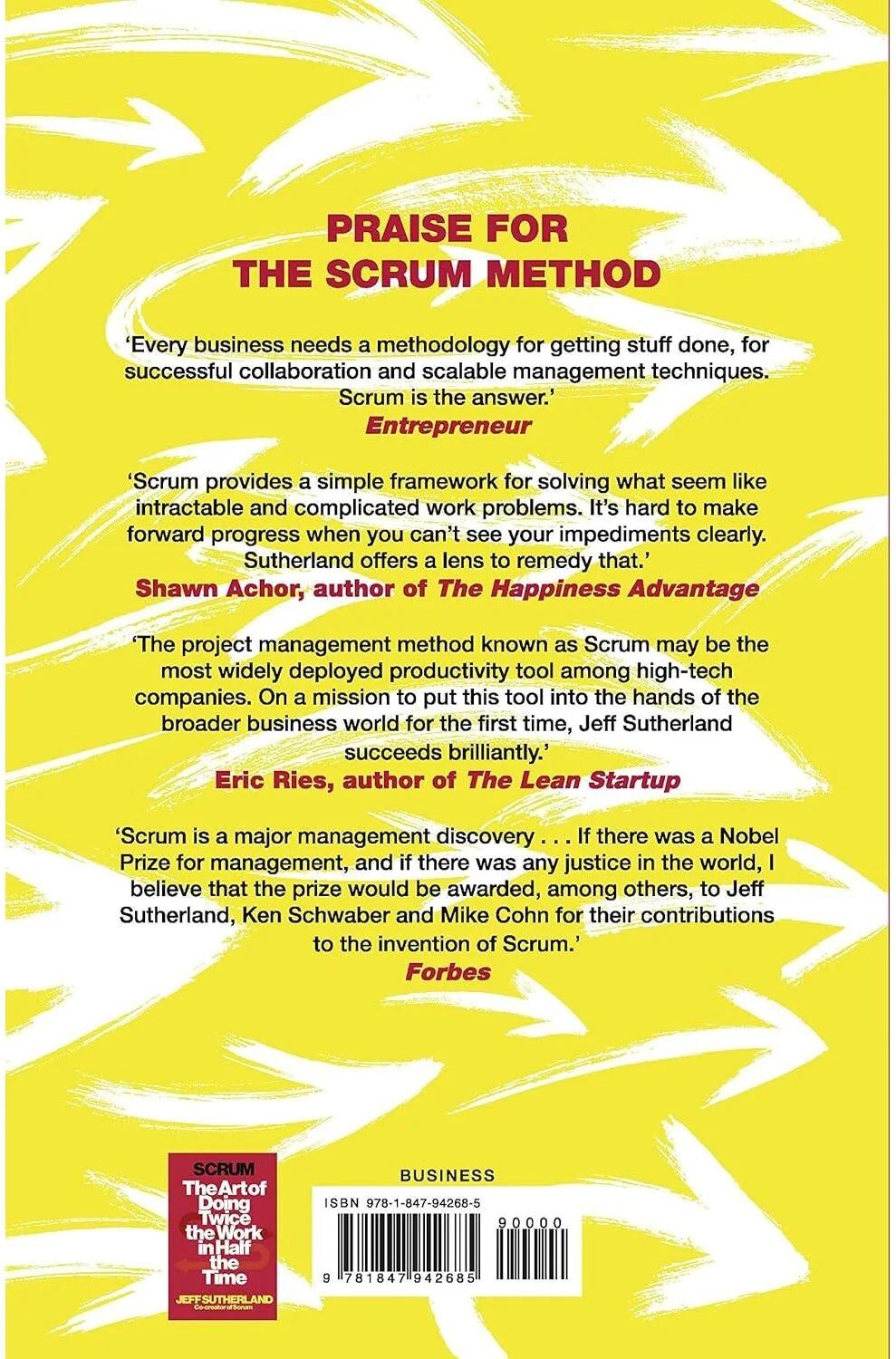
Random House Business The Scrum Fieldbook by J.J. Sutherland - Business & Management Hardback - Faster Performance, Better Results for Teams and LeadersThe Scrum Fieldbook by J.J. Sutherland is a practical guide to implementing the Scrum framework in real-world applications. Written for leaders, managers, and teams across various industries, this hardback guide builds on the success of Scrum: The Art of Doing Twice the Work in Half the Time, co-written with Jeff Sutherland. Drawing on years of experience with companies like Toyota, 3M, Schlumberger, and Bosch, Sutherland delivers a hands-on blueprint for cutting bureaucracy and accelerating delivery. The book focuses on execution, providing a step-by-step approach to transforming manufacturing, banking, government, and non-profit work.7,99 £*Shipping: 2,99 £Secure redirect to the provider
-
Simon & Schuster UK Trust & Inspire by Stephen M. R. Covey - Paperback - Leadership & Business Management BookTrust and Inspire by Stephen M. R. Covey is a compelling leadership book that challenges the outdated 'command and control' management style. Covey argues that leaders must evolve towards a 'trust and inspire' approach, built on mutual commitment, creativity, and collaboration. This paperback offers a practical, research-backed roadmap to transforming workplace culture and unlocking human potential. In the book, Covey draws on decades of research into trust within organisations to expose the shortcomings of traditional leadership models. He proposes a 'trust and inspire' style, which is more suitable for a world that has fundamentally changed. This book is ideal for managers, entrepreneurs, and anyone leading a team, as it provides a clear and actionable guide to improving leadership skills and building trust within an organisation. Published by Simon & Schuster UK, this book is a valuable resource for anyone looking to develop their leadership skills and improve their team's performance.8,99 £*Shipping: 2,99 £Secure redirect to the provider
-
Market Central Outdoor Sports Waterproof Digital Watch With Alarm Time Reporting For Swimming Fitness redA reliable companion for every active moment, this outdoor sports watch keeps you prepared, organized, and on time wherever your day takes you. Designed for swimmers, athletes, and outdoor enthusiasts, this digital sports watch combines clear time...44,97 $*Shipping: 0,00 $Secure redirect to the provider
-
Lower classifications of crustaceans
Lower classifications of crustaceans include groups such as Malacostraca, Branchiopoda, Maxillopoda, and Remipedia. These groups are further divided into various orders, families, and species. Each lower classification has unique characteristics and adaptations that help them thrive in different aquatic environments. Studying these lower classifications helps scientists understand the diversity and evolution of crustaceans. **
-
How can one breed prehistoric crustaceans?
Breeding prehistoric crustaceans would require a deep understanding of their natural habitat, behavior, and dietary needs. It would also involve creating an environment that closely mimics the conditions of the prehistoric era, including water temperature, salinity, and oxygen levels. Additionally, it would be important to source the specific species of prehistoric crustaceans and ensure that they are not endangered or protected. Finally, careful monitoring and maintenance of the breeding environment would be necessary to ensure the health and reproduction of the crustaceans. **
-
How long do prehistoric crustaceans live?
The lifespan of prehistoric crustaceans varied depending on the species. Some prehistoric crustaceans, such as the horseshoe crab, are known to have existed for hundreds of millions of years, making them one of the oldest living species on Earth. Other prehistoric crustaceans may have had shorter lifespans, but due to the limited fossil record, it is difficult to determine the exact lifespan of all prehistoric crustaceans. Overall, prehistoric crustaceans were able to survive and thrive for millions of years, adapting to changing environmental conditions and evolving alongside other ancient species. **
-
What are prehistoric crustaceans as a gift?
Prehistoric crustaceans as a gift could refer to fossils or replicas of ancient crustaceans that lived millions of years ago. These could include creatures such as trilobites, ancient shrimp, or other early crustaceans that are now extinct. These gifts could be of interest to paleontologists, collectors, or anyone fascinated by prehistoric life. They provide a unique and educational gift option for those interested in natural history and the evolution of life on Earth. **
Similar search terms for Crustaceans
-
Market Central Outdoor Sports Waterproof Digital Watch With Alarm Time Reporting For Swimming Fitness blackA reliable companion for every active moment, this outdoor sports watch keeps you prepared, organized, and on time wherever your day takes you. Designed for swimmers, athletes, and outdoor enthusiasts, this digital sports watch combines clear time...44,97 $*Shipping: 0,00 $Secure redirect to the provider
-
Market Central Outdoor Sports Waterproof Digital Watch With Alarm Time Reporting For Swimming Fitness orangeA reliable companion for every active moment, this outdoor sports watch keeps you prepared, organized, and on time wherever your day takes you. Designed for swimmers, athletes, and outdoor enthusiasts, this digital sports watch combines clear time...44,97 $*Shipping: 0,00 $Secure redirect to the provider
-
Market Central Outdoor Sports Waterproof Digital Watch With Alarm Time Reporting For Swimming Fitness rose GoldA reliable companion for every active moment, this outdoor sports watch keeps you prepared, organized, and on time wherever your day takes you. Designed for swimmers, athletes, and outdoor enthusiasts, this digital sports watch combines clear time...44,97 $*Shipping: 0,00 $Secure redirect to the provider
-
Market Central Outdoor Sports Waterproof Digital Watch With Alarm Time Reporting For Swimming Fitness black BlueA reliable companion for every active moment, this outdoor sports watch keeps you prepared, organized, and on time wherever your day takes you. Designed for swimmers, athletes, and outdoor enthusiasts, this digital sports watch combines clear time...44,97 $*Shipping: 0,00 $Secure redirect to the provider
-
How do I properly breed prehistoric crustaceans?
To properly breed prehistoric crustaceans, you will need to create an environment that closely mimics their natural habitat. This includes providing a suitable tank with the right water conditions, temperature, and pH levels. You will also need to ensure that the crustaceans have access to the right food sources and hiding places. It's important to research the specific species of prehistoric crustaceans you are breeding to understand their unique needs and behaviors. Additionally, monitoring water quality and maintaining a clean environment is crucial for the health and successful breeding of prehistoric crustaceans. **
-
What are the differences between crustaceans and spiders?
Crustaceans and spiders belong to different classes within the phylum Arthropoda. Crustaceans, such as crabs and shrimp, have a distinct body structure with two pairs of antennae and two body segments: the cephalothorax and abdomen. They also have gills for breathing and typically live in aquatic environments. Spiders, on the other hand, have a two-part body consisting of the cephalothorax and abdomen, with four pairs of legs and no antennae. They also have spinnerets for producing silk and are predominantly terrestrial. Additionally, spiders are arachnids, while crustaceans are not. **
-
Why don't prehistoric crustaceans hatch in my case?
Prehistoric crustaceans do not hatch in your case because they require specific environmental conditions to hatch and develop. These conditions may include a certain temperature, water quality, and oxygen levels, which may not be present in your case. Additionally, prehistoric crustaceans may require specific nutrients and food sources that are not available in your case. Finally, prehistoric crustaceans may not be present in your case in the first place, as they are typically found in natural aquatic environments. **
-
What concerns are there when raising prehistoric crustaceans?
When raising prehistoric crustaceans, some concerns may include ensuring they have the proper environment and conditions to thrive, such as appropriate water quality and temperature. Another concern is providing them with a suitable diet that mimics their natural food sources. Additionally, it is important to monitor their growth and behavior closely to address any health issues or aggression that may arise in a communal setting. **
* All prices are inclusive of VAT and, if applicable, plus shipping costs. The offer information is based on the details provided by the respective shop and is updated through automated processes. Real-time updates do not occur, so deviations can occur in individual cases. ** Note: Parts of this content were created by AI.