Buy reisekostenabrechnung.eu ?
We are moving the project
reisekostenabrechnung.eu .
Are you interested in purchasing the domain
reisekostenabrechnung.eu ?
domain@kv-gmbh.de · 0541-91531010
Buy reisekostenabrechnung.eu ?
What are organizational professions?
Organizational professions refer to careers that involve working within a structured environment, such as corporations, government agencies, or non-profit organizations. These professions typically require individuals to possess strong organizational skills, the ability to work well within a team, and a good understanding of how to navigate complex systems and hierarchies. Examples of organizational professions include management, human resources, finance, and administration. **
What are organizational elements?
Organizational elements refer to the fundamental components that make up an organization's structure and functioning. These elements can include the organization's mission, vision, goals, policies, procedures, culture, leadership, communication channels, and decision-making processes. They are essential for creating a framework that guides the organization's operations and helps it achieve its objectives. By understanding and effectively managing these elements, organizations can improve their performance and adapt to changes in their environment. **


Similar search terms for Organizational
Top-Angebote
Products related to Organizational:
-
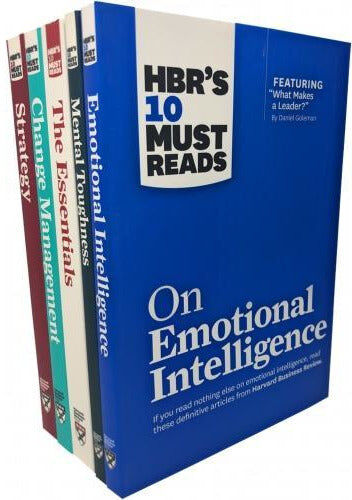
Harvard Business Review Press Harvard Business Review HBR’s 10 Must Reads 5 Book Collection Set – Essential Business, Leadership & Management GuidesHBR's 10 Must Reads 5 Books Collection Set Description On Emotional Intelligence If you read nothing else on emotional intelligence; read these 10 articles by experts in the field. We euro; ve combed through hundreds of articles in the Harvard Business Review archive and selected the most important ones to help you boost your emotional skills euro; and your professional success. Mental Toughness If you read nothing else on mental toughness; read these ten articles by experts in the field. We've combed through hundreds of articles in the Harvard Business Review archive and selected the most important ones to help you build your emotional strength and resilience--and to achieve high performance. The Essentials Change is the one constant in business; and we must adapt or face obsolescence. Yet certain challenges never go away. That's what makes this book 'must read.' These are the 10 seminal articles by management's most influential experts; on topics of perennial concern to ambitious managers and leaders hungry for inspiration--and ready to run with big ideas to accelerate their own and their companies' success. Change Management If you read nothing else on change management; read these 10 articles (featuring 'Leading Change; euro; by John P. Kotter). We've combed through hundreds of Harvard Business Review articles and selected the most important ones to help you spearhead change in your organization. Strategy If you read nothing else on strategy; read these 10 articles (featuring 'What Is Strategy? euro; by Michael E. Porter). We've combed through hundreds of Harvard Business Review articles and selected the most important ones to help you catalyze your organization's strategy development and execution.37,98 £*Shipping: 0,00 £Secure redirect to the provider
-
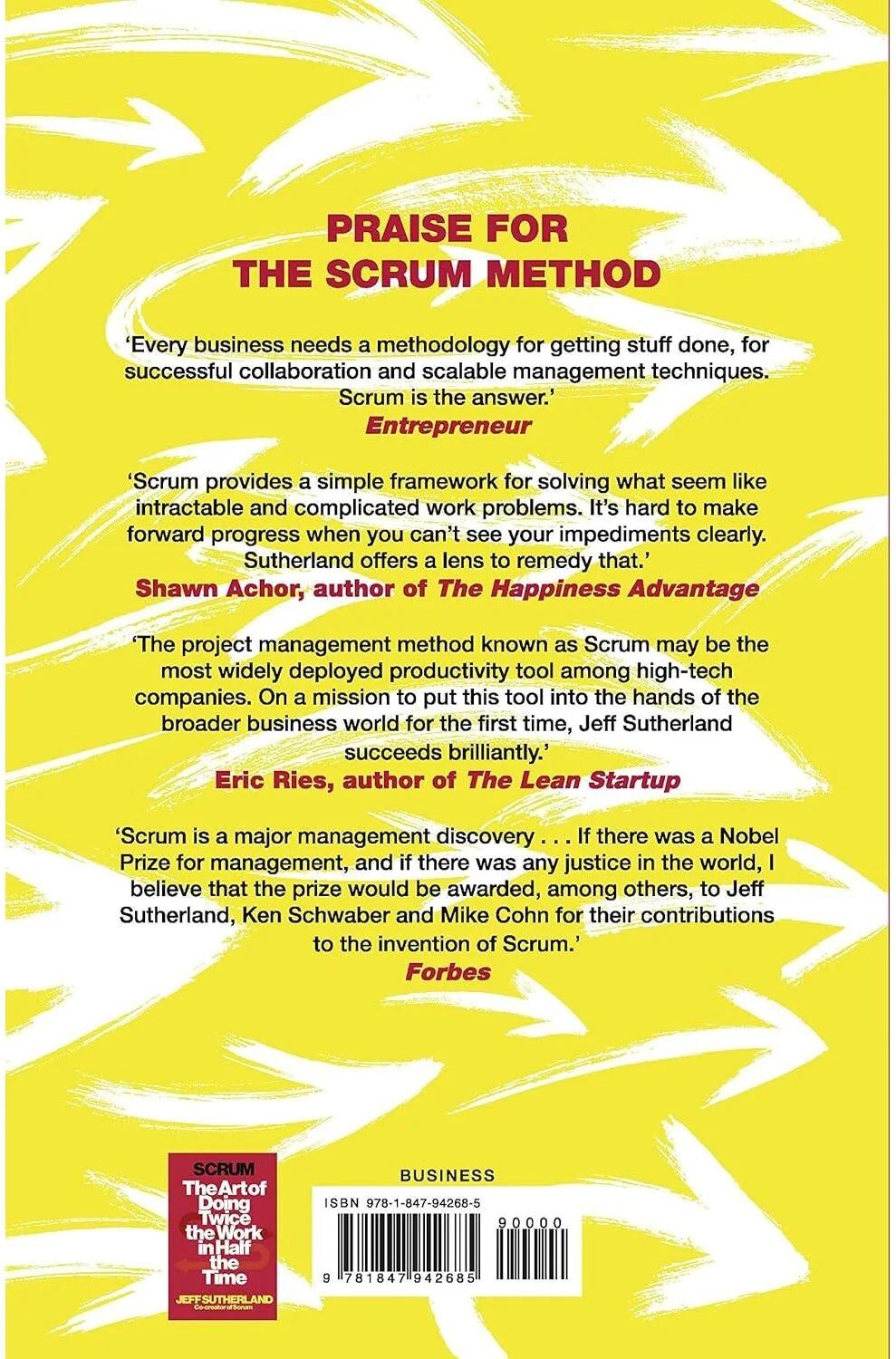
Random House Business The Scrum Fieldbook by J.J. Sutherland - Business & Management Hardback - Faster Performance, Better Results for Teams and LeadersThe Scrum Fieldbook by J.J. Sutherland is a practical guide to implementing the Scrum framework in real-world applications. Written for leaders, managers, and teams across various industries, this hardback guide builds on the success of Scrum: The Art of Doing Twice the Work in Half the Time, co-written with Jeff Sutherland. Drawing on years of experience with companies like Toyota, 3M, Schlumberger, and Bosch, Sutherland delivers a hands-on blueprint for cutting bureaucracy and accelerating delivery. The book focuses on execution, providing a step-by-step approach to transforming manufacturing, banking, government, and non-profit work.7,99 £*Shipping: 2,99 £Secure redirect to the provider
-
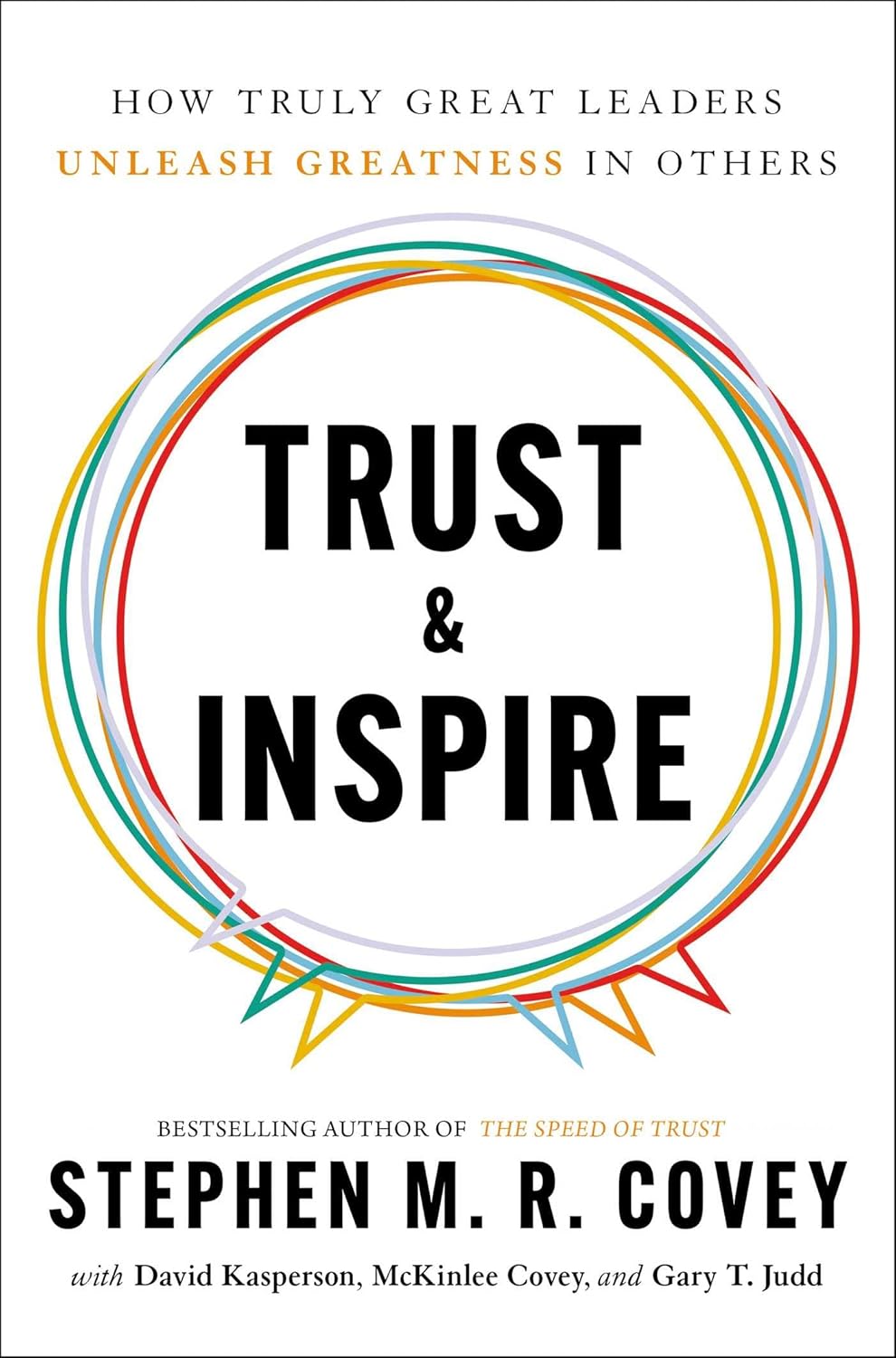
Simon & Schuster UK Trust & Inspire by Stephen M. R. Covey - Paperback - Leadership & Business Management BookTrust and Inspire by Stephen M. R. Covey is a compelling leadership book that challenges the outdated 'command and control' management style. Covey argues that leaders must evolve towards a 'trust and inspire' approach, built on mutual commitment, creativity, and collaboration. This paperback offers a practical, research-backed roadmap to transforming workplace culture and unlocking human potential. In the book, Covey draws on decades of research into trust within organisations to expose the shortcomings of traditional leadership models. He proposes a 'trust and inspire' style, which is more suitable for a world that has fundamentally changed. This book is ideal for managers, entrepreneurs, and anyone leading a team, as it provides a clear and actionable guide to improving leadership skills and building trust within an organisation. Published by Simon & Schuster UK, this book is a valuable resource for anyone looking to develop their leadership skills and improve their team's performance.8,99 £*Shipping: 2,99 £Secure redirect to the provider
-
Uplifted Goods 360 Rotating 6 Claw Organizational Accessory Hub goldEstablish a high level of closet efficiency with this High Performance Vertical Space Optimization Interface. Engineered with a Reinforced Polymeric Structural Shield and a specialized sixprong claw frame, this hanger is designed to provide a...29,97 $*Shipping: 0,00 $Secure redirect to the provider

-
What are organizational tasks?
Organizational tasks are the specific activities and responsibilities that individuals or teams within an organization are responsible for completing in order to achieve the organization's goals. These tasks can include things like project management, scheduling, budgeting, coordinating team efforts, and ensuring that resources are allocated effectively. Organizational tasks are essential for maintaining order and efficiency within a company, and they help to ensure that everyone is working towards the same objectives. **
-
Which professions require organizational skills?
Many professions require organizational skills, including project management, event planning, administrative roles, and executive positions. In project management, organizational skills are essential for keeping track of timelines, resources, and team members. Event planners need strong organizational skills to coordinate all the details of an event, from vendors to schedules. Administrative roles require organizational skills to manage calendars, documents, and communication. Executive positions also require strong organizational skills to oversee multiple aspects of a business or organization. **
-
What is the organizational chart?
An organizational chart is a visual representation of the structure of an organization, showing the relationships and hierarchy between different positions and departments. It typically includes boxes representing different roles or positions, connected by lines to show the reporting relationships and lines of authority. Organizational charts are used to help employees understand the chain of command, communication channels, and reporting structure within the organization. They can also be used to identify areas of overlap or gaps in responsibilities. **
-
How long does the reimbursement of travel expenses take?
The reimbursement of travel expenses can vary depending on the organization's policies and procedures. In some cases, it may take a few weeks for the expenses to be processed and reimbursed, while in other cases it may take longer. It is important to submit all necessary documentation and receipts promptly to expedite the reimbursement process. It is also advisable to communicate with the finance or accounting department to inquire about the expected timeline for reimbursement. **


What is an ISO organizational standard?
An ISO organizational standard is a set of guidelines and best practices developed by the International Organization for Standardization (ISO) to help organizations improve their processes, products, and services. These standards are designed to ensure consistency, efficiency, and quality across various industries and sectors. By adhering to ISO standards, organizations can demonstrate their commitment to meeting customer requirements, complying with regulations, and continuously improving their operations. ISO standards cover a wide range of areas, including quality management, environmental management, information security, and occupational health and safety. **
How can organizational levels be described?
Organizational levels can be described as the different layers or tiers within a company's structure, each with its own set of responsibilities and authority. These levels typically include top-level management, middle management, and front-line employees. Top-level management is responsible for making strategic decisions and setting the overall direction of the organization, while middle management oversees the implementation of these strategies and coordinates the activities of front-line employees. Front-line employees are responsible for carrying out the day-to-day tasks necessary to achieve the organization's goals. Each level has its own distinct role and contributes to the overall functioning of the organization. **
Top-Angebote
Products related to Organizational:
-
The Readers Paradise The Psychology of Management: Building and Sustaining a Strong Organizational Structure and Culture by Sanchit Khullar - Paperback - BusinessDiscover the practical guide to effective management with The Psychology of Management: Building and Sustaining a Strong Organizational Structure and Culture by Sanchit Khullar. This book offers a research-informed approach to leadership, blending psychological theory with real-world management practice. It explores how human behavior, motivation, and culture shape organizational performance, providing a deeper understanding of what makes workplaces thrive. Written for managers, HR professionals, executives, and business students, this book breaks down the complexities of leadership, making it an essential resource for anyone looking to improve their management skills.2,99 £*Shipping: 2,99 £Secure redirect to the provider
-
Uplifted Goods 360 Rotating 6 Claw Organizational Accessory Hub blackEstablish a high level of closet efficiency with this High Performance Vertical Space Optimization Interface. Engineered with a Reinforced Polymeric Structural Shield and a specialized sixprong claw frame, this hanger is designed to provide a...29,97 $*Shipping: 0,00 $Secure redirect to the provider
-
Harvard Business Review Press Harvard Business Review HBR’s 10 Must Reads 5 Book Collection Set – Essential Business, Leadership & Management GuidesHBR's 10 Must Reads 5 Books Collection Set Description On Emotional Intelligence If you read nothing else on emotional intelligence; read these 10 articles by experts in the field. We euro; ve combed through hundreds of articles in the Harvard Business Review archive and selected the most important ones to help you boost your emotional skills euro; and your professional success. Mental Toughness If you read nothing else on mental toughness; read these ten articles by experts in the field. We've combed through hundreds of articles in the Harvard Business Review archive and selected the most important ones to help you build your emotional strength and resilience--and to achieve high performance. The Essentials Change is the one constant in business; and we must adapt or face obsolescence. Yet certain challenges never go away. That's what makes this book 'must read.' These are the 10 seminal articles by management's most influential experts; on topics of perennial concern to ambitious managers and leaders hungry for inspiration--and ready to run with big ideas to accelerate their own and their companies' success. Change Management If you read nothing else on change management; read these 10 articles (featuring 'Leading Change; euro; by John P. Kotter). We've combed through hundreds of Harvard Business Review articles and selected the most important ones to help you spearhead change in your organization. Strategy If you read nothing else on strategy; read these 10 articles (featuring 'What Is Strategy? euro; by Michael E. Porter). We've combed through hundreds of Harvard Business Review articles and selected the most important ones to help you catalyze your organization's strategy development and execution.37,98 £*Shipping: 0,00 £Secure redirect to the provider
-
Random House Business The Scrum Fieldbook by J.J. Sutherland - Business & Management Hardback - Faster Performance, Better Results for Teams and LeadersThe Scrum Fieldbook by J.J. Sutherland is a practical guide to implementing the Scrum framework in real-world applications. Written for leaders, managers, and teams across various industries, this hardback guide builds on the success of Scrum: The Art of Doing Twice the Work in Half the Time, co-written with Jeff Sutherland. Drawing on years of experience with companies like Toyota, 3M, Schlumberger, and Bosch, Sutherland delivers a hands-on blueprint for cutting bureaucracy and accelerating delivery. The book focuses on execution, providing a step-by-step approach to transforming manufacturing, banking, government, and non-profit work.7,99 £*Shipping: 2,99 £Secure redirect to the provider
-
What are organizational professions?
Organizational professions refer to careers that involve working within a structured environment, such as corporations, government agencies, or non-profit organizations. These professions typically require individuals to possess strong organizational skills, the ability to work well within a team, and a good understanding of how to navigate complex systems and hierarchies. Examples of organizational professions include management, human resources, finance, and administration. **
-
What are organizational elements?
Organizational elements refer to the fundamental components that make up an organization's structure and functioning. These elements can include the organization's mission, vision, goals, policies, procedures, culture, leadership, communication channels, and decision-making processes. They are essential for creating a framework that guides the organization's operations and helps it achieve its objectives. By understanding and effectively managing these elements, organizations can improve their performance and adapt to changes in their environment. **
-
What are organizational tasks?
Organizational tasks are the specific activities and responsibilities that individuals or teams within an organization are responsible for completing in order to achieve the organization's goals. These tasks can include things like project management, scheduling, budgeting, coordinating team efforts, and ensuring that resources are allocated effectively. Organizational tasks are essential for maintaining order and efficiency within a company, and they help to ensure that everyone is working towards the same objectives. **
-
Which professions require organizational skills?
Many professions require organizational skills, including project management, event planning, administrative roles, and executive positions. In project management, organizational skills are essential for keeping track of timelines, resources, and team members. Event planners need strong organizational skills to coordinate all the details of an event, from vendors to schedules. Administrative roles require organizational skills to manage calendars, documents, and communication. Executive positions also require strong organizational skills to oversee multiple aspects of a business or organization. **
Similar search terms for Organizational
-
Simon & Schuster UK Trust & Inspire by Stephen M. R. Covey - Paperback - Leadership & Business Management BookTrust and Inspire by Stephen M. R. Covey is a compelling leadership book that challenges the outdated 'command and control' management style. Covey argues that leaders must evolve towards a 'trust and inspire' approach, built on mutual commitment, creativity, and collaboration. This paperback offers a practical, research-backed roadmap to transforming workplace culture and unlocking human potential. In the book, Covey draws on decades of research into trust within organisations to expose the shortcomings of traditional leadership models. He proposes a 'trust and inspire' style, which is more suitable for a world that has fundamentally changed. This book is ideal for managers, entrepreneurs, and anyone leading a team, as it provides a clear and actionable guide to improving leadership skills and building trust within an organisation. Published by Simon & Schuster UK, this book is a valuable resource for anyone looking to develop their leadership skills and improve their team's performance.8,99 £*Shipping: 2,99 £Secure redirect to the provider
-
Uplifted Goods 360 Rotating 6 Claw Organizational Accessory Hub goldEstablish a high level of closet efficiency with this High Performance Vertical Space Optimization Interface. Engineered with a Reinforced Polymeric Structural Shield and a specialized sixprong claw frame, this hanger is designed to provide a...29,97 $*Shipping: 0,00 $Secure redirect to the provider
-
Uplifted Goods 360 Rotating 6 Claw Organizational Accessory Hub set 4Establish a high level of closet efficiency with this High Performance Vertical Space Optimization Interface. Engineered with a Reinforced Polymeric Structural Shield and a specialized sixprong claw frame, this hanger is designed to provide a...44,97 $*Shipping: 0,00 $Secure redirect to the provider
-
Uplifted Goods 360 Rotating 6 Claw Organizational Accessory Hub set 3Establish a high level of closet efficiency with this High Performance Vertical Space Optimization Interface. Engineered with a Reinforced Polymeric Structural Shield and a specialized sixprong claw frame, this hanger is designed to provide a...44,97 $*Shipping: 0,00 $Secure redirect to the provider
-
What is the organizational chart?
An organizational chart is a visual representation of the structure of an organization, showing the relationships and hierarchy between different positions and departments. It typically includes boxes representing different roles or positions, connected by lines to show the reporting relationships and lines of authority. Organizational charts are used to help employees understand the chain of command, communication channels, and reporting structure within the organization. They can also be used to identify areas of overlap or gaps in responsibilities. **
-
How long does the reimbursement of travel expenses take?
The reimbursement of travel expenses can vary depending on the organization's policies and procedures. In some cases, it may take a few weeks for the expenses to be processed and reimbursed, while in other cases it may take longer. It is important to submit all necessary documentation and receipts promptly to expedite the reimbursement process. It is also advisable to communicate with the finance or accounting department to inquire about the expected timeline for reimbursement. **
-
What is an ISO organizational standard?
An ISO organizational standard is a set of guidelines and best practices developed by the International Organization for Standardization (ISO) to help organizations improve their processes, products, and services. These standards are designed to ensure consistency, efficiency, and quality across various industries and sectors. By adhering to ISO standards, organizations can demonstrate their commitment to meeting customer requirements, complying with regulations, and continuously improving their operations. ISO standards cover a wide range of areas, including quality management, environmental management, information security, and occupational health and safety. **
-
How can organizational levels be described?
Organizational levels can be described as the different layers or tiers within a company's structure, each with its own set of responsibilities and authority. These levels typically include top-level management, middle management, and front-line employees. Top-level management is responsible for making strategic decisions and setting the overall direction of the organization, while middle management oversees the implementation of these strategies and coordinates the activities of front-line employees. Front-line employees are responsible for carrying out the day-to-day tasks necessary to achieve the organization's goals. Each level has its own distinct role and contributes to the overall functioning of the organization. **
* All prices are inclusive of VAT and, if applicable, plus shipping costs. The offer information is based on the details provided by the respective shop and is updated through automated processes. Real-time updates do not occur, so deviations can occur in individual cases. ** Note: Parts of this content were created by AI.